Capital
Nouakchott
Cape Town · Western Cape
Saharan heritage. Atlantic horizons.
The country
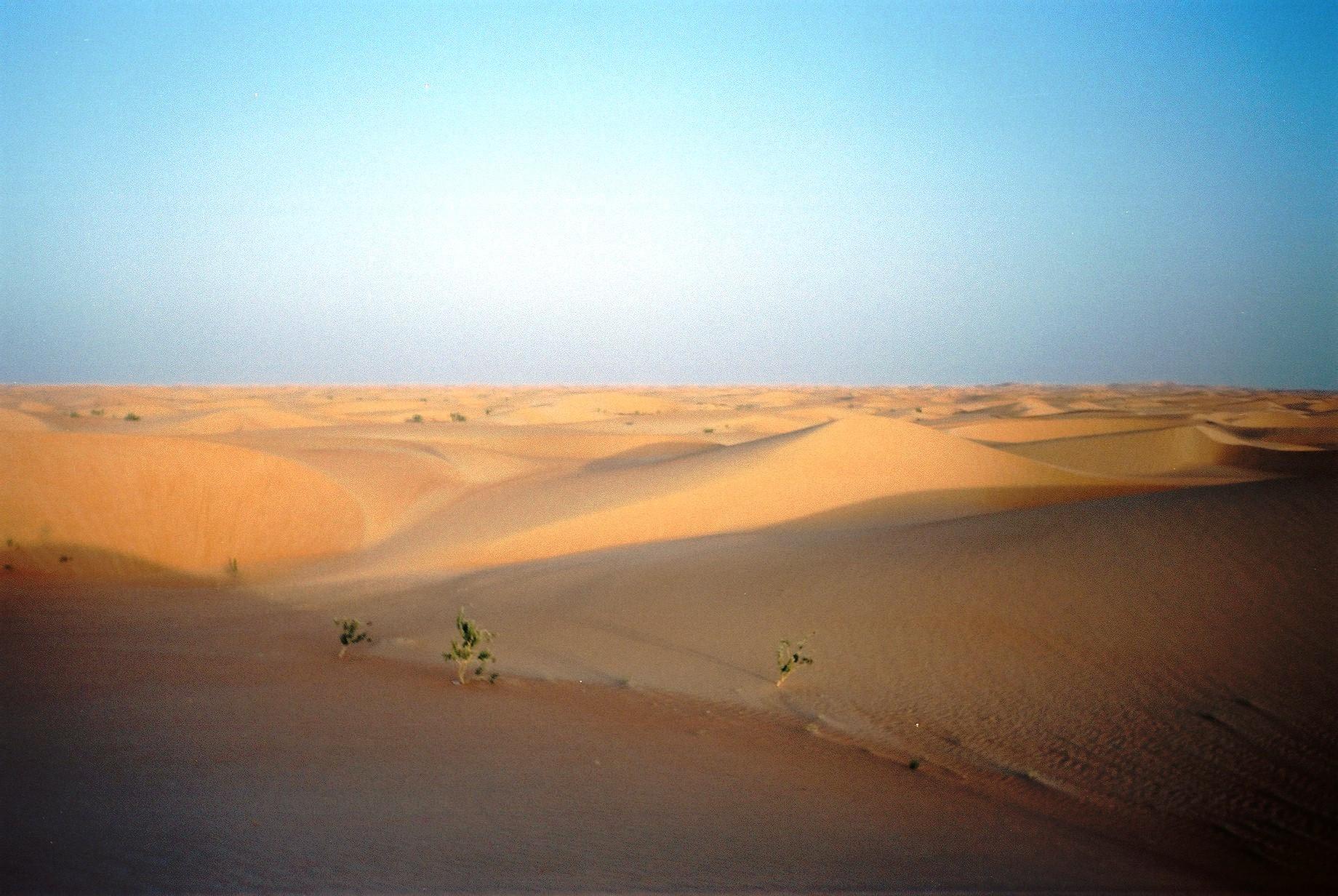
Located in north-west Africa, Mauritania faces the Atlantic Ocean. Its Saharan landscapes, heritage and traditions offer opportunities for discovery and exchange.
Nouakchott
Arabic (official language)
French (used in administration, education and business)
Ouguiya (MRU)
Approximately 5.46 million
Mid-year estimate
Heritage
Ouadane, Chinguetti, Tichitt and Oualata are UNESCO World Heritage sites. These historic towns reflect the region’s caravan trade and its architectural and cultural heritage.
Explore the heritage with UNESCOLanguages: Constitution, Article 6, and Wikipedia’s language overview. Population: UN 2026 projection (WPP 2024), as reported by Worldometer; an estimate, not a census count. Constitution · Languages · 2026 population
Geography
Across approximately 1.03 million square kilometres, Mauritania brings together Saharan dunes, rocky plateaus, oases and an Atlantic coastline. Its land neighbours are Western Sahara, Algeria, Mali and Senegal.
In the south, the Senegal River valley contrasts with the arid north. The Sahara, Sahel, river valley and coast form distinct environments that shape the landscape and local livelihoods.
Read more · WikipediaHistorical perspective
The territory’s history reflects trans-Saharan exchange, pastoral traditions and the spread of Islam. Caravan towns became centres of commerce and learning, linking North Africa with West Africa.
Following French colonial rule, Mauritania became independent on 28 November 1960. This date is celebrated as the country’s national day.
Read more · WikipediaThe capital
Nouakchott is the capital and largest city. Selected as the capital before independence, it developed into Mauritania’s main administrative and economic centre.
Its port, international airport and university connect it with the wider world. The fishing harbour offers a glimpse of the maritime activities that play an important role in city life.
Read more · Wikipedia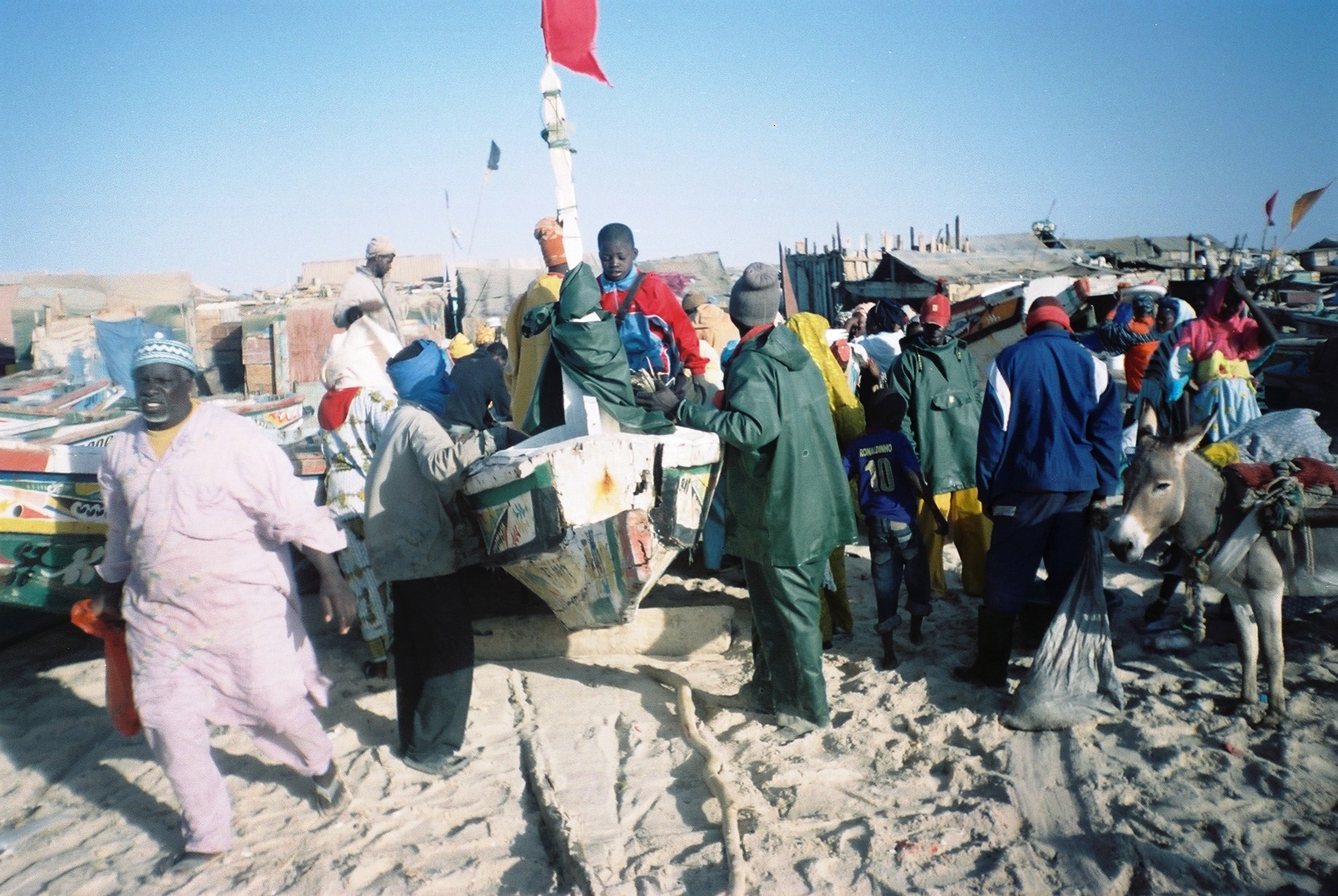
Heritage and learning
An old caravan centre in the Adrar region, Chinguetti is known for stone houses, its historic mosque and manuscript libraries. These collections preserve a tradition of scholarship spanning religion, law and the sciences.
Its lanes and Saharan architecture illustrate life in the old desert towns. Preserving buildings and manuscripts remains essential as encroaching sands threaten this heritage.
Read more · Wikipedia
Historic towns
In the country’s southeast, Oualata was an important stop on trans-Saharan trading routes. Its history connects the Sahara with the societies and trading networks of West Africa.
Together with Ouadane, Chinguetti and Tichitt, it belongs to the World Heritage property dedicated to the ancient ksour. These towns reveal an urban heritage shaped by trade, faith and local traditions.
Read more · Wikipedia
Nature and biodiversity
Between Nouakchott and Nouadhibou, Banc d’Arguin combines dunes, islands, tidal flats and shallow waters. The national park is an important breeding and wintering area for birds, including pelicans and flamingos.
Inscribed on the World Heritage List in 1989, it highlights the close links between marine ecosystems, traditional fishing and protection of Mauritania’s coast.
Read more · WikipediaA distinctive landscape
Near Ouadane, the Richat Structure is a circular geological formation roughly 40 kilometres across. Its rings, especially striking from space, make it one of the Sahara’s most recognisable landscapes.
It is an eroded geological dome whose different rock layers create the concentric pattern.
Read more · Wikipedia
Languages and traditions
Arabic is the official language. Hassaniya is widely spoken, while Pulaar, Soninke and Wolof also form part of the country’s national languages. French is used in several settings, including professional exchanges.
Read more · WikipediaArtistic expression
Mauritanian music includes traditions carried by the iggawin, artists who transmit songs, poetry and memory. The tidinit, a string instrument, and the ardin, a traditional harp, hold a distinctive place in Moorish music.
Read more · WikipediaAt the table
The cuisine brings together Saharan, Maghrebi and West African influences. Fish, rice, couscous and meat dishes feature in its repertoire. Mint tea and zrig, a drink made with fermented milk, are among its traditional beverages.
Read more · WikipediaEconomic activity
Mining and fishing play major roles in the economy. Iron ore, gold and copper are among the resources produced. Agriculture and livestock remain important to many communities.
For companies seeking connections, our Doing business section provides initial points of reference. The Honorary Consulate can help direct enquiries to relevant contacts.
Read more · Wikipedia